This title is also available from
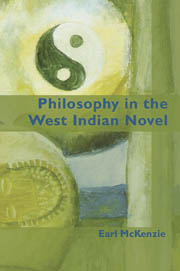
Philosophy in the West Indian Novel
Earl McKenzie's pioneering philosophical study of the West Indian novel is based on three main assumptions: first, that philosophy is a reflection on the fundamental questions we can ask about ourselves and our world; second, that literature, particularly the novel, is the best method yet devised to provide a "human face" to these reflections; and third, Caribbean philosophy is at present embedded in other forms of cultural expression, like literature, and these forms need to be excavated to reveal what lies within.
McKenzie examines ten novels by George Lamming, Roger Mais, Wilson Harris, V.S. Naipaul, Orlando Patterson, Jean Rhys, Erna Brodber, Lakshmi Persaud, Earl Lovelace and Jamaica Kincaid, each selected to represent differences in geography, chronology, ethnicity and gender. In this cross-section of novels, McKenzie identifies ancestral influences from the philosophies of Europe, Africa and India, and show how West Indian fiction embodies ideas from several areas of philosophy, including metaphysics, epistemology, philosophy of education, social and political philosophy, ethics, feminist philosophy, and philosophy of literature.
Philosophy in the West Indian Novel uncovers sections of the mostly unknown Caribbean philosophical mosaic, and McKenzie's work will encourage further study and refection on philosophical ideas in a Caribbean context. It will be of interest to philosophers, literary critics, educators, social scientists, and anyone interested in Caribbean studies.
- Preface
- Introduction
- 1 Aims of Education: Historicism and In the Castle of My Skin
- 2 The Meaning of Life and Black Lightning
- 3 The Inner Radiance of the Self in Palace of the Peacock
- 4 Knowledge and Human Understanding in A House for Mr Biswas
- 5 Existentialism and The Children of Sisyphus
- 6 Tragic Vision in Wide Sargasso Sea
- 7 African Conceptions of a Person and Myal
- 8 The Law of Karma in Sastra
- 9 The Morality of Reparations in Salt
- 10 Plato versus Kincaid?
- A Reading of The Autobiography of My Mother
- Conclusion
- Appendix: The Authors
- References
- Induex
Books also of interest