

This title is also available from
Caribbean Tourism
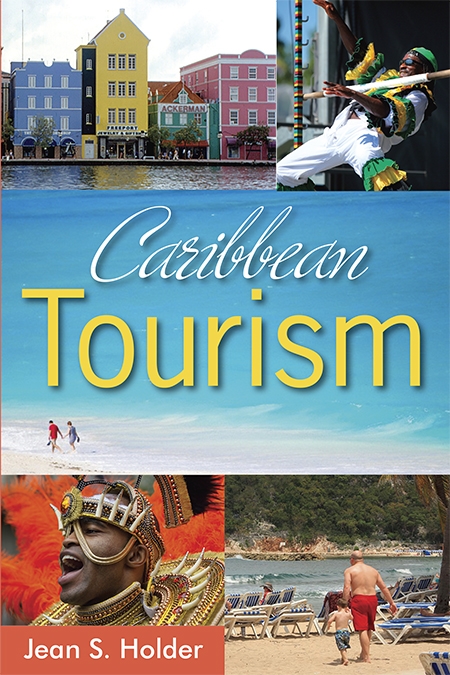
In Caribbean Tourism, Jean Holder tells the story of how, when, why and whence tourism, now the driver of most Caribbean economies, was introduced into the region and why its journey has been a turbulent one. Tourism was one of the means of diversifying out of a Caribbean sugar industry that was beset with difficulties after emancipation in the 1830s. This situation was made even more difficult by the fact that tourism is in itself a complex and invasive phenomenon which does not require a history of colonialism and racism to provoke strong reactions in a society.
Holder takes case studies from those islands where Caribbean tourism first blossomed – Barbados, Bermuda, the Bahamas, Jamaica and Cuba – to demonstrate the post-emancipation complexities and the measures taken to address them. He details the history of various regional entities and the roles they played in the development of the Caribbean tourism industry and goes on to analyse Caribbean tourism performance in the second decade of the twenty-first century against the background of the state of the world economy, the forecast for global tourism andair transportation performance and the prospects of current major and potential markets of the emerging economies of the BRIC (Brazil, Russia, India and China) and other countries.
In outlining a sustainable strategic plan for the industry, which pays special attention to the current needs in the areas of product development and the exploration of new niche markets, especially sport, culture and heritage, Holder expresses continuing confidence in the tourism sector. In spite of current challenges, the tourist industry is resilient and the Caribbean’s best hope for continued development, provided the region works together and plays to its strengths.
- Foreword
- Preface
- Acknowledgements
- List of Abbreviations
- Introduction
- Chapter 1 Coming to Grips with the Complexity and Other Characteristics of Tourism
- Chapter 2 History, Race and Tourism in Bermuda, the Bahamas, Barbados, Jamaica and Cuba
- Chapter 3 Regional Integration in the Caribbean and the Birth and History of Regional Tourism Institutions
- Chapter 4 The Changing Face of Caribbean Tourism
- Chapter 5 CARIFTA: Views and Strategies Relating to Caribbean Tourism
- Chapter 6 Caribbean Tourism Expands to Europe
- Chapter 7 The Creation of the Caribbean Tourism Organization
- Chapter 8 The Role, Economic Contribution and Impact of Cruise Tourism on Caribbean Societies
- Chapter 9 Creating a Sustainable Tourism Strategic Plan for the Caribbean
- Chapter 10 Failed Attempts to Create the Regional Tourism Fund
- Chapter 11 Developing the Sports Tourism Niche Market
- Chapter 12 Developing the Culture/Heritage Tourism Niche Market
- Chapter 13 From Sugar to Tourism: The Shift to Services
- Chapter 14 The Major Factors Determining How Global Tourism Performs
- Chapter 15 The Second Decade: Whither Caribbean Tourism? Appendix 1
- International and Caribbean Tourist Arrivals, 1970 to 2010 Appendix 2
- Key Information on Various Aspects of the Cruise Industry: Caribbean Cruise Survey, 2000 Appendix 3
- Tourism Taxes in Five Selected Caribbean Societies Appendix 4
- Draft Inter-Governmental Agreement for the Regulation of Cruise Shipping in the Caribbean Appendix 5
- Tourism Arrivals, 2008–2011 Appendix 6
- Excerpts from a Speech by Sir Ronald Sanders in June 2007 at the Watershed Media Centre in Bristol, England Appendix 7
- LIAT Fares and Taxes Tables Index
Jean S. Holder is Chairman of LIAT Airline and a director of several regional private sector companies. He has served as Secretary General of the Caribbean Tourism Research and Development Centre and Secretary General of the Caribbean Tourism Organization. His publications include Errol Barrow: A Souvenir and Don’t Burn Our Bridges: The Case for Owning Airlines.