
This title is also available from
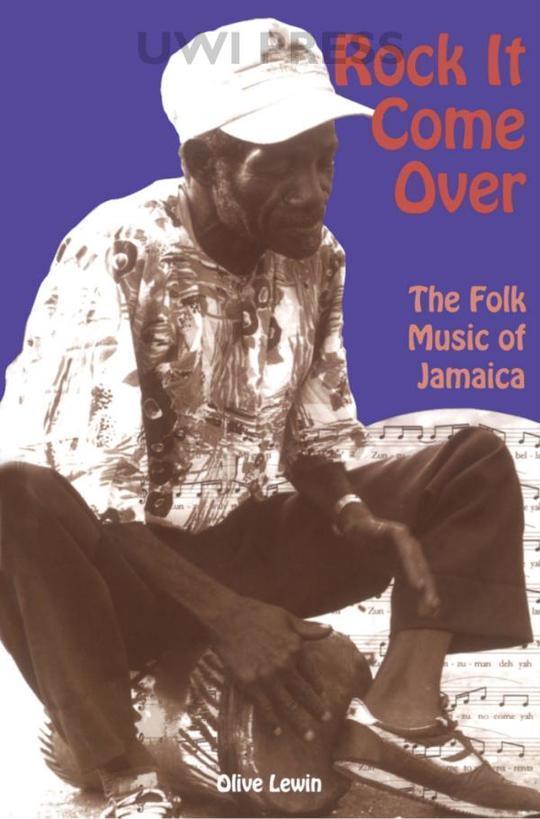
Rock It Come over
The Folk Music of Jamaica
Rock It Come Over describes the music and lore of Slavery from the early sixteenth century through emancipation in 1838 to the mid twentieth century. Lewin explores the role of music in the lives of the slaves as a method of communication, as a form of resistance and subversion, as a repository of oral history and beliefs, and, ultimately, as a means of survival. The work is based on decades of research into the music sung and played by the working people of Jamaica. Lewin relates the music to traditions that preserve an African way of life and the beliefs of Kumina queen, Imogene “Queenie” Kennedy.
Rock It Come Over is the most extensive study of Jamaican folk music yet published. It is also an examination of the roots of that music and a record of the folk heritage that is, in spite of many efforts, rapidly retreating before the pressures of life today.
- List of Illustrations
- Foreword
- Introduction
- Preface
- Acknowledgements Introduction
- The Making of a Musician
- Slavery: Old Soul in a New World
- Conflicting Concepts of Wealth Non-Cult Traditional Jamaican Music
- Music for Work, Play and the Spirit
- Mento and Other Styles for Dance, Entertainment and Ceremony Cults and Cult Misuc in Jamaica
- Maroon, Tambo, Goombeh, Ettu, Nago
- Revivalism and Rastafarianism Kumina and Queenie Kennedy
- The Kumina Cult
- Queenie Kennedy: Her Life
- Queenine Kennedy: Her Teaching and Her Work
- Conclusion
- References
- Index
Olive Lewin is the director of the Jamaica Folk Singers and cultural director of Grace, Kennedy Ltd.
Books also of interest